


.png)

Unlocking Radiant Skin The Benefits and Insights of Microneedling
- Bethany Hayward

- Dec 22, 2025
- 3 min read
Microneedling has become one of the most talked-about skincare treatments in recent years. Its promise to improve skin texture, reduce scars, and boost collagen production has attracted many seeking a natural way to enhance their complexion. But what exactly is microneedling, and why does it work? This post explores the ins and outs of microneedling, highlighting its benefits and what you should know before trying it.
What Is Microneedling?
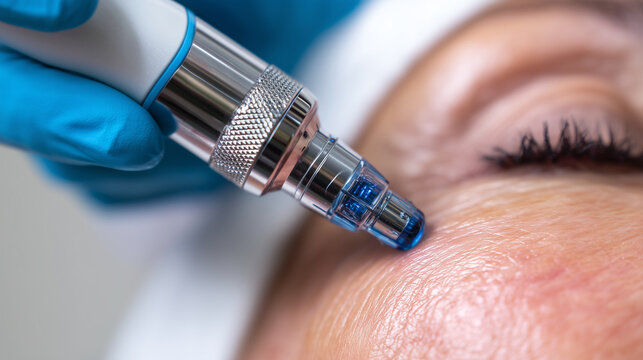
Microneedling, also called collagen induction therapy, involves using tiny needles to create controlled micro-injuries on the skin’s surface. These small punctures trigger the skin’s natural healing process, encouraging the production of collagen and elastin—two proteins essential for firm, youthful skin.
The procedure can be done with a handheld device, often called a dermaroller or a microneedling pen. The needles vary in length depending on the treatment goal and the area being treated. The process is minimally invasive and usually requires little downtime.
How Microneedling Benefits Your Skin
Microneedling offers several benefits that make it a popular choice for various skin concerns:
Improves skin texture and tone
By stimulating collagen, microneedling helps smooth rough patches and evens out skin tone. This can reduce the appearance of enlarged pores and give skin a more refined look.
Reduces scars and stretch marks
Acne scars, surgical scars, and stretch marks can become less noticeable after a series of microneedling sessions. The new collagen helps fill in depressed scars and improve skin elasticity.
Boosts absorption of skincare products
The tiny channels created during treatment allow serums and creams to penetrate deeper into the skin, increasing their effectiveness.
Minimizes fine lines and wrinkles
Collagen production slows down as we age, leading to wrinkles and sagging skin. Microneedling encourages collagen growth, which can reduce fine lines and improve skin firmness.
Supports skin rejuvenation without harsh chemicals
Unlike some treatments that rely on strong acids or lasers, microneedling uses the body’s natural healing ability, making it suitable for many skin types.
What to Expect During a Microneedling Session
A typical microneedling session lasts about 30 to 60 minutes. Here’s what usually happens:
Skin cleansing and numbing
The skin is thoroughly cleaned, and a topical numbing cream is applied to reduce discomfort.
Microneedling treatment
The device is gently rolled or stamped across the skin, creating micro-injuries. You might feel slight pressure or tingling.
Application of serums
After the treatment, serums rich in vitamins or hyaluronic acid are applied to soothe and nourish the skin.
Post-treatment care
The skin may appear red and feel sensitive for a day or two. It’s important to avoid sun exposure and use gentle skincare products during healing.
Who Can Benefit from Microneedling?
Microneedling suits a wide range of people looking to improve their skin’s appearance. It is especially helpful for those with:
Acne scars or other types of scarring
Uneven skin texture or tone
Fine lines and early signs of aging
Stretch marks
Dull or tired-looking skin
People with very sensitive skin, active infections, or certain skin conditions should consult a dermatologist before trying microneedling.

Tips for Getting the Best Results
To maximize the benefits of microneedling, consider these tips:
Choose a qualified professional
Proper technique and hygiene are crucial to avoid complications and get effective results. Make sure you find a Master Esthetician to perform the procedure.
Follow a treatment plan
Multiple sessions spaced a few weeks apart usually provide the best improvements.
Prepare your skin
Avoid sunburn, exfoliation, or harsh treatments before your appointment.
Use recommended skincare products
After treatment, use gentle, hydrating products and avoid irritants like retinoids or acids until your skin heals.
Protect your skin from the sun
Microneedling makes skin more sensitive to UV rays, so daily sunscreen is essential.
Potential Risks and Considerations
Microneedling is generally safe when done correctly, but some risks exist:
Temporary redness, swelling, or mild irritation
Minor bleeding or bruising in sensitive areas
Infection if tools are not sterile
Hyperpigmentation in some skin types
Discuss your medical history and skin concerns with a professional before starting treatment. If you have active acne, eczema, or psoriasis, microneedling may not be suitable.
Final Thoughts on Microneedling
Microneedling offers a natural way to refresh and improve your skin by encouraging collagen production and enhancing product absorption. It can address common concerns like scars, wrinkles, and uneven texture with minimal downtime. Choosing a skilled provider and following proper aftercare are key to safe and effective results.
If you want to explore a treatment that supports your skin’s natural healing and reveals a smoother, brighter complexion, microneedling may be worth considering. Start by consulting a skincare professional to see if it fits your needs and goals.


Comments